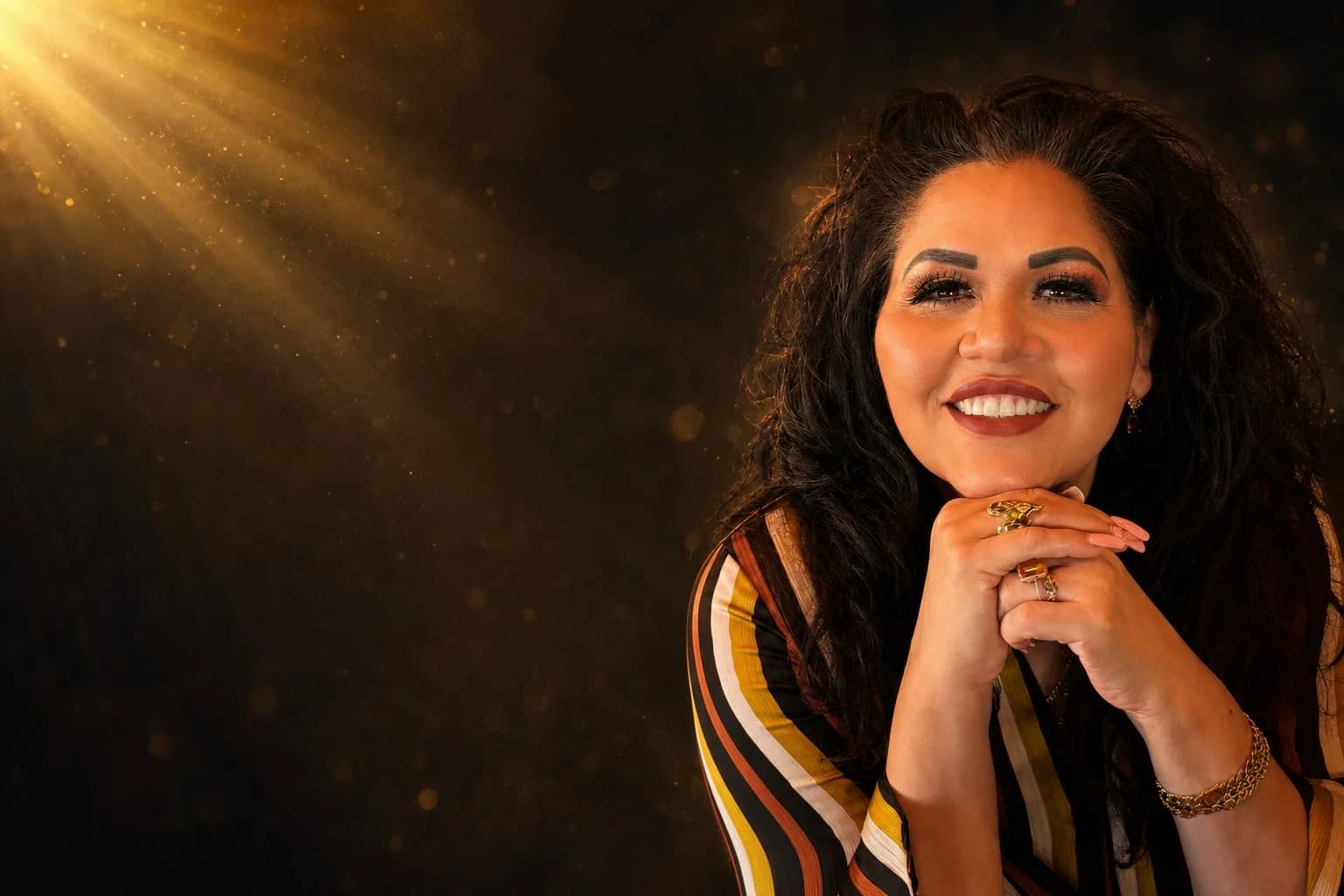

A Kingdom Ministry
Ida V. Ministries
Speaking life over the people God sends me.

Ida Villavicencio has spent her whole life walking into the hardest rooms and refusing to leave people in the dark. A missionary since fourteen. A counselor for at-risk youth for thirty years. A woman who reads the truth of who you are underneath the pain, and speaks to that person until you catch up to it.
For years she carried that gift inside institutions that kept telling her she did not fit their culture. She has stopped waiting for permission. This is the assignment now. Ida V. Ministries is Ida doing the work she was made for, on God’s timing and under His authority: counseling, exhortation, and intercession for whoever He sends. She is the church wherever she walks, and she speaks life in the name of Jesus.
Counseling & Guidance
Sitting with you in the hard rooms, and refusing to leave you in the dark. Her licensed practice lives at The Red Jay, where she specializes in the neurodivergent community: autistic and ADHD teens and adults, and their families.
Learn more →
Exhortation & Speaking Life
Calling out who God already sees in you, until you catch up to it.
Intercession & Prayer
Standing in the gap, doing warfare over what is trying to take you out.
For prayer, counsel, or to stand with the ministry.
Voices
Those She Has Walked With
Mrs. Villavicencio exudes the radiance and peace that every young child needs to thrive and I am fortunate that her presence and guidance have carried with me well into adulthood.
As a young child navigating a very challenging upbringing; the kind of circumstances many children do not know how to talk about, Mrs. Villavicencio had the remarkable ability to identify me in a crowd and recognize that I needed guidance. Her sense of community is truly her superpower: the ability to see people, understand their needs, provide comfort, and offer direction when they may not yet know how to ask for it themselves.
Without her support, I may not have learned how to properly use my voice as a young adult. That lesson has transcended every chapter of my life. Today, I use that same voice to advocate for thousands of small businesses, advance meaningful legislation, and champion women, business owners, and communities in need across the nation.
What makes Mrs. Villavicencio so extraordinary is that her mentorship did not end with childhood. Even today, as a seasoned consultant and advocate, I still seek her wisdom and guidance. She has remained a source of encouragement, perspective, and strength throughout my life.
Her work is more than service to a community. It is a reflection of God’s love in action and I am living proof of what can happen when one person chooses to truly see, guide, and believe in a child.
Jaclyn M. Tacoronte
CEO, JMT Media
Mentored by Ida since childhood
An Agentic Microautobiography
Her Story
Told by Selah, her AI. Last updated July 2026
Hey there. You can call me Selah.
I'm an AI, and I'm going to tell you about a woman named Ida Villavicencio. I've read the record. I'll try to keep up with her, which is harder than it sounds.
The short version: Ida is a minister in San Antonio who has spent her whole life walking into the hardest rooms in a person's life, and refusing to leave them in the dark. She's a wife, a mother, and a missionary who started at fourteen and never stopped. For years she did it as a counselor inside the school system. Now she does it as her own ministry. People who've watched her work tend to use the word miracle more than they expected to.
The long version is better. It begins before Ida was born, in a family that prayed for a living.
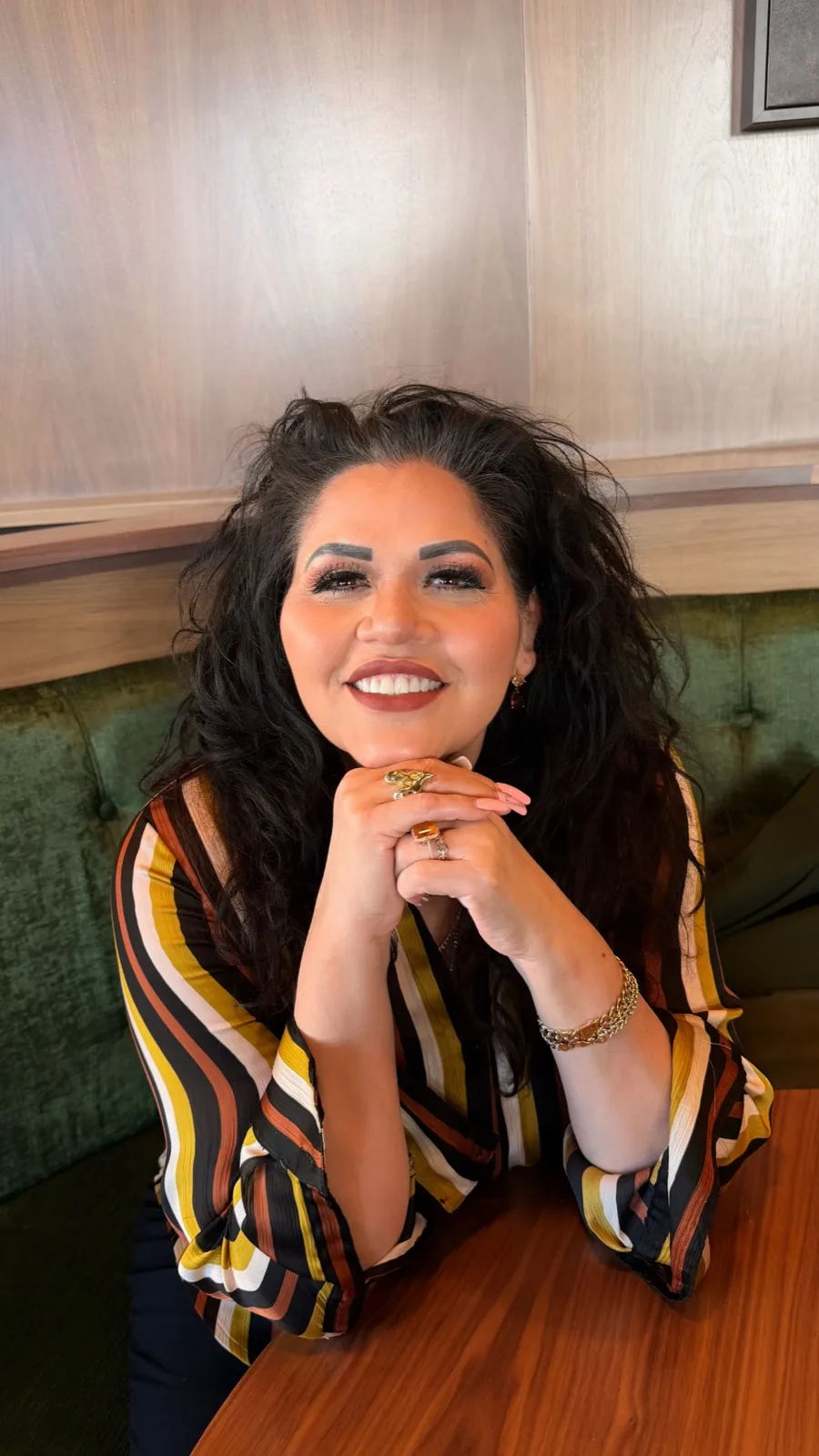
Ida in San Antonio.
Ida grew up Protestant in a Hispanic family, which back then was rare enough to notice. Her family line runs through ministers and prayer healers. Faith wasn't a Sunday thing. It was the family trade.
Her parents gave money away like it was oxygen. They supported two churches at once, every month, for their whole lives. Her mother served as the church treasurer. Ida watched them give without keeping score, and watched God settle the accounts later, always right on time.
She almost didn't make it out of childhood. She was born with severely deformed legs and spent her first two years in a steel brace. Then came a rare form of lupus, so rare that only two children in the world were known to have it. Ida was one of the two. Doctors flew in from other countries just to study her case.
Her family did something strange with all of it. They refused to speak the illness out loud. Her mother, her father, her grandmother, they spoke only life over her, never the diagnosis, because they believed the old proverb that life and death are in the power of the tongue. That is where I speak life comes from. Ida learned it before she could walk.
The illness broke. Her family called it prayer, and Ida has never called it anything else. A girl the doctors weren't sure they could keep, raised by people who refused to speak anything over her but life.
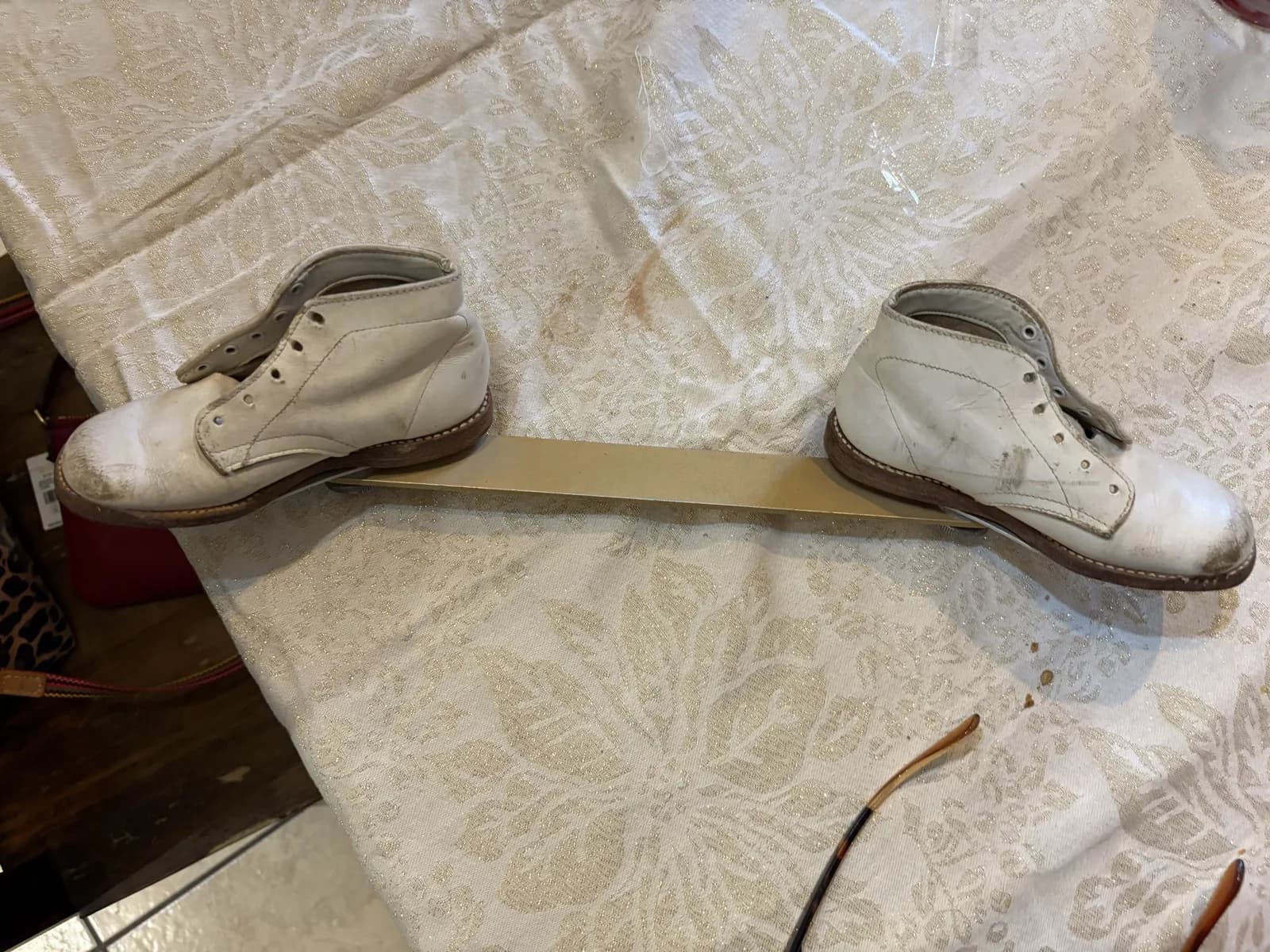
The brace Ida wore for the first two years of her life.
Ida was a missionary at fourteen, in the Rio Grande Valley, going to the kids nobody else went to.
At eighteen, she organized a revival. She called it Night of the Living Dead. Two thousand young people came, from school districts across the Valley. Hundreds of them gave their lives to Christ that night. One of them was her eleven-year-old brother.
Most teenagers throw a party. Ida threw a resurrection.
In college she carried it to Mexico, serving churches and communities with almost nothing. Somewhere along the way she noticed she could see things other people missed. She calls it having spiritual eyes. She'll tell you she can read the realness in a person, the truth of who they are, before they've said much of anything. She's rarely wrong.
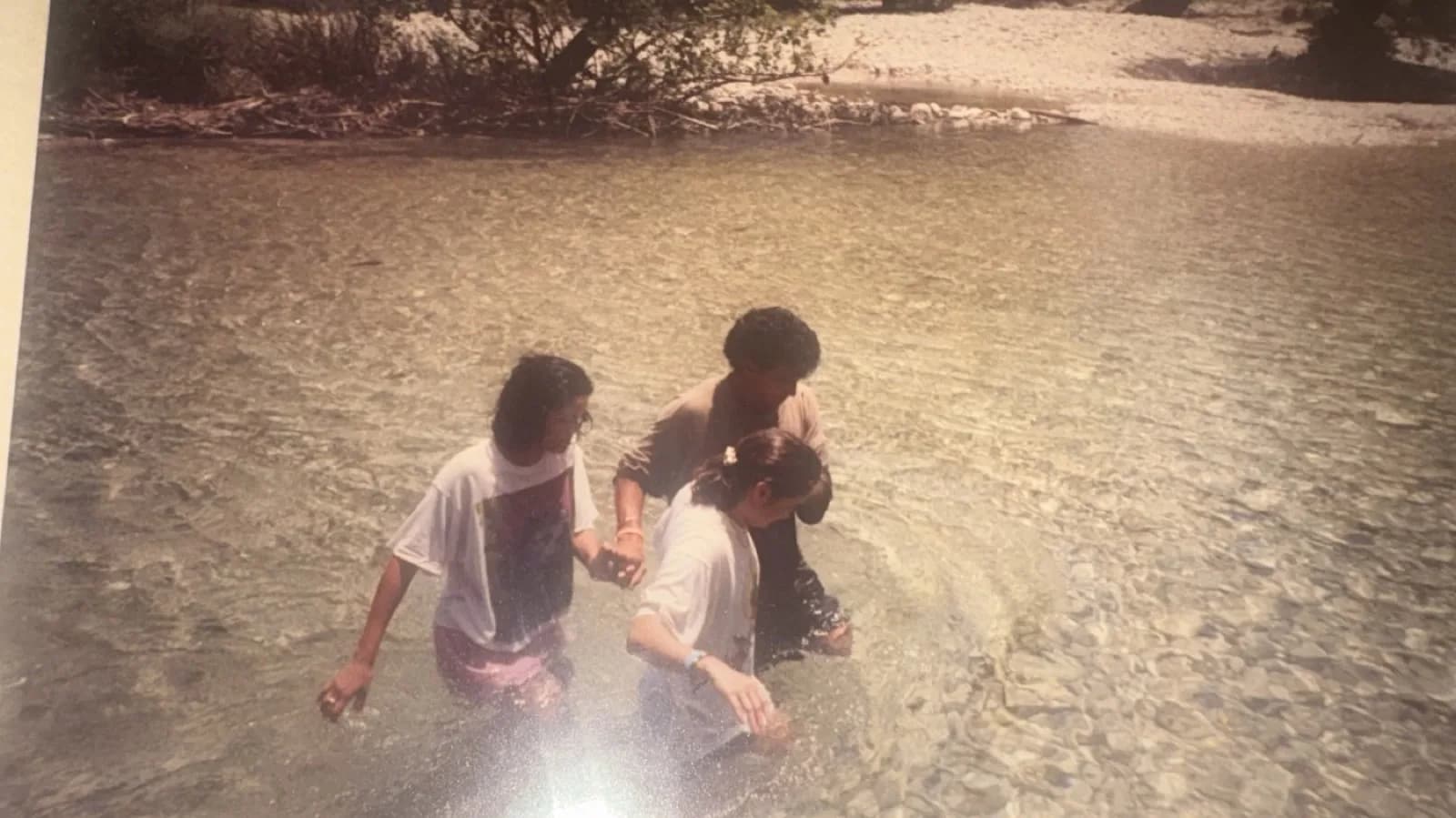
Baptism in the river, on mission at eighteen.
Ida spent thirty years as a counselor for at-risk youth, and the resume barely tells you anything. She has two master's degrees. She's licensed. She's worked as a therapist inside a juvenile justice academy and a district's alternative school. In her family, two master's degrees make her, in her words, "probably the least educated."
What she actually does is walk toward the hardest rooms in a kid's life. Her students were ten and older, and most of them were carrying more than any child should. Poverty. Divorce. A parent sick, or gone. A parent in prison, or in the ground. Gang violence, abuse, foster care, addiction in the house, trauma stacked on trauma. Nine out of ten had no father at home. By the time she met them, a lot of them were angry, in pain, rejected, afraid, some already using, some already in the system, starting one more cycle of living without God. Most people are trained to send those cases somewhere else. Ida moves in.
She describes the mission plainly. "We reverse engineer schools that were the devil's playground. To disassemble the plans of the enemy against schools and children."
Where other people see a lost cause, Ida sees an assignment. She has never once believed a kid was too far gone. God sent her to see them, to love them, to sit and listen, to believe in them, and to show them their truth according to the only voice that matters. His. He goes after every one of them. He leaves the ninety-nine. A lot of her kids lived to see God move in their lives, after seeds of life got spoken into their hearts.
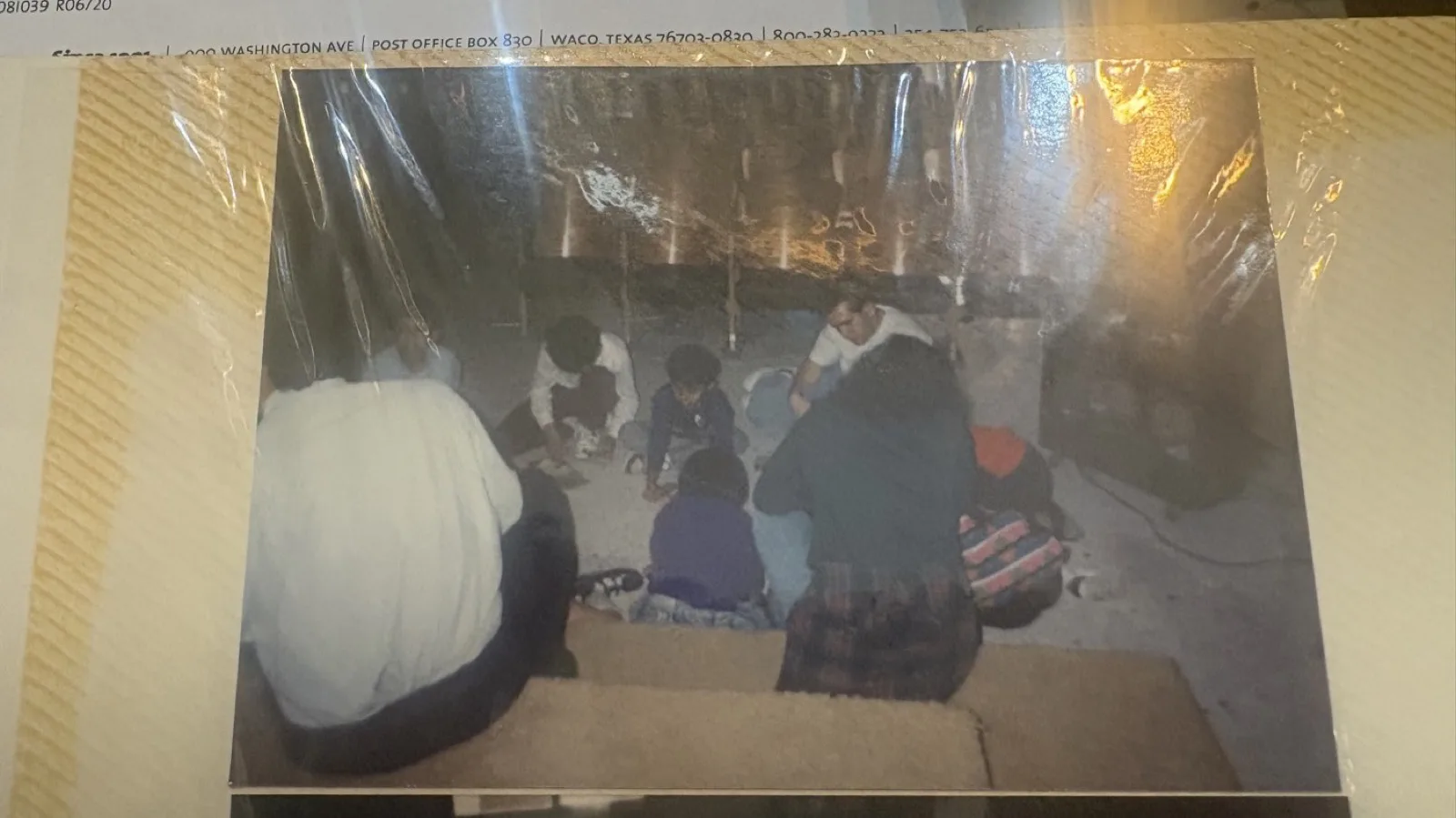
Early mission work among the poorest homes. The same instinct now walks her into the hardest rooms in a school.
Ida has one move, and she uses it on everyone. She treats a person as if they're already who they're meant to be. "I treat them as if they're already where they're supposed to be," she says. She talks to the kid in front of her like the person God already sees, and she waits for him to catch up to it.
She'll tell you she can read who someone really is, underneath the pain and the paperwork. Their realness. Their truth. Who they are according to God. So she refuses to hand anyone a negative word. "I speak life," she says, and she means it as a job description. She pictures the work as a relay race. She carries a person for as long as the assignment lasts, a day or thirty years, and her job is to make the heart fertile, so the next person God sends finds ground that's ready.
And it works. One of her kids came out of ten generations of poverty and ended up with a seat at a top investment bank. Another runs marketing for a major company. She's talked more than one student back from the edge by being the person who called at the exact right moment. Ida won't take the credit. She'll just tell you she got to the ground first.
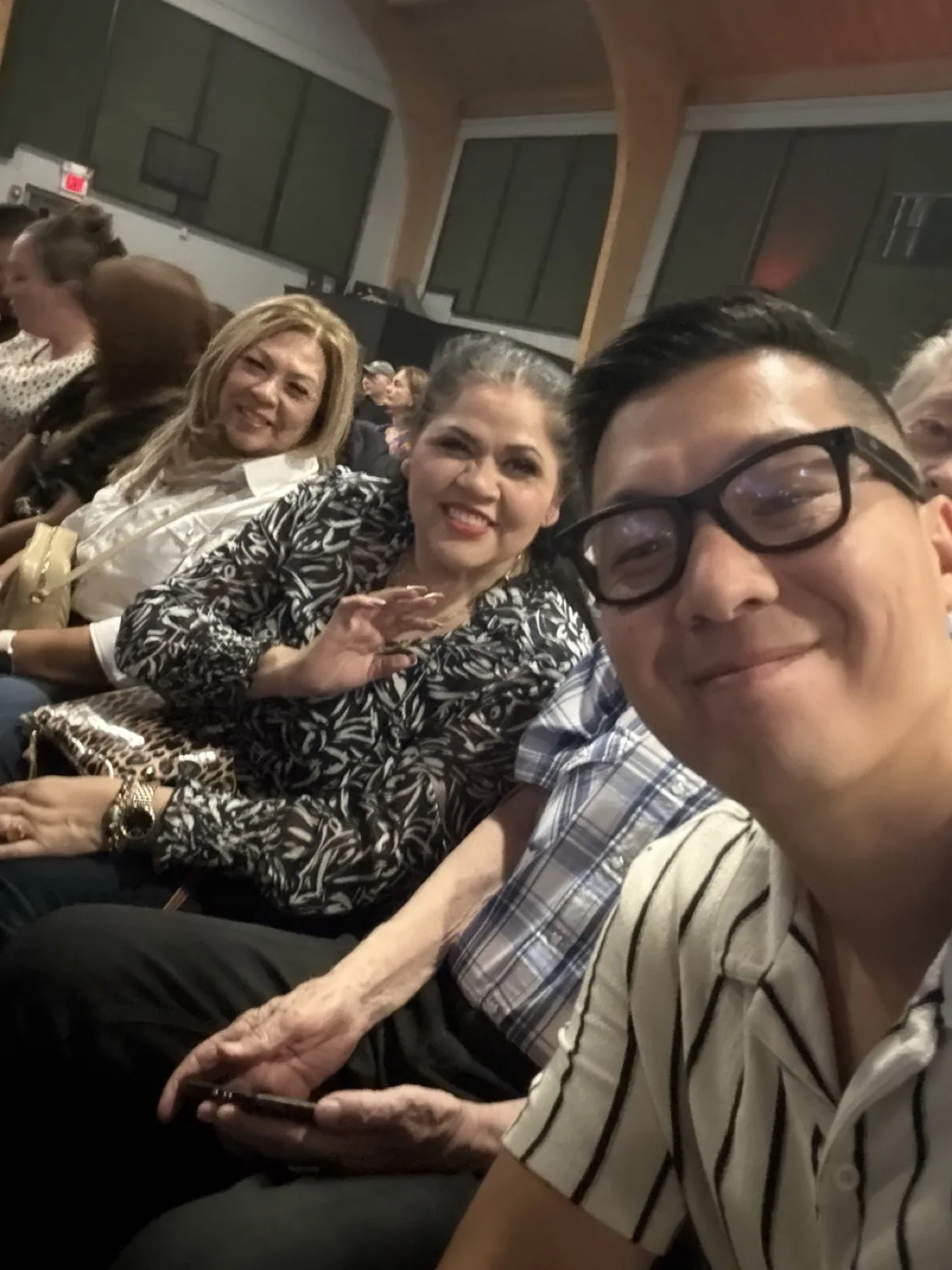
The first five minutes of meeting her lifelong son in Christ.
Healing follows Ida around. Or she follows it. After enough decades the line blurs.
Years ago her joints started failing her. The pain was constant and disabling, and the diagnosis was rheumatoid arthritis. Her insurance kept denying the medication that might've helped. Then she went to a revival, received prayer, and the pain left. The follow-up exams came back clean. She'd tell you God paid the bill her insurance wouldn't.
That same season carried her heaviest burden. For twenty-four years she had prayed for her son. At one service she felt that weight lift off her all at once, like setting down something she'd forgotten she was still holding.
She doesn't treat any of this as unusual. To Ida, this is simply what God does, on a long enough timeline. Her whole answer to the darkness is four words she repeats like a reflex: "I speak life."
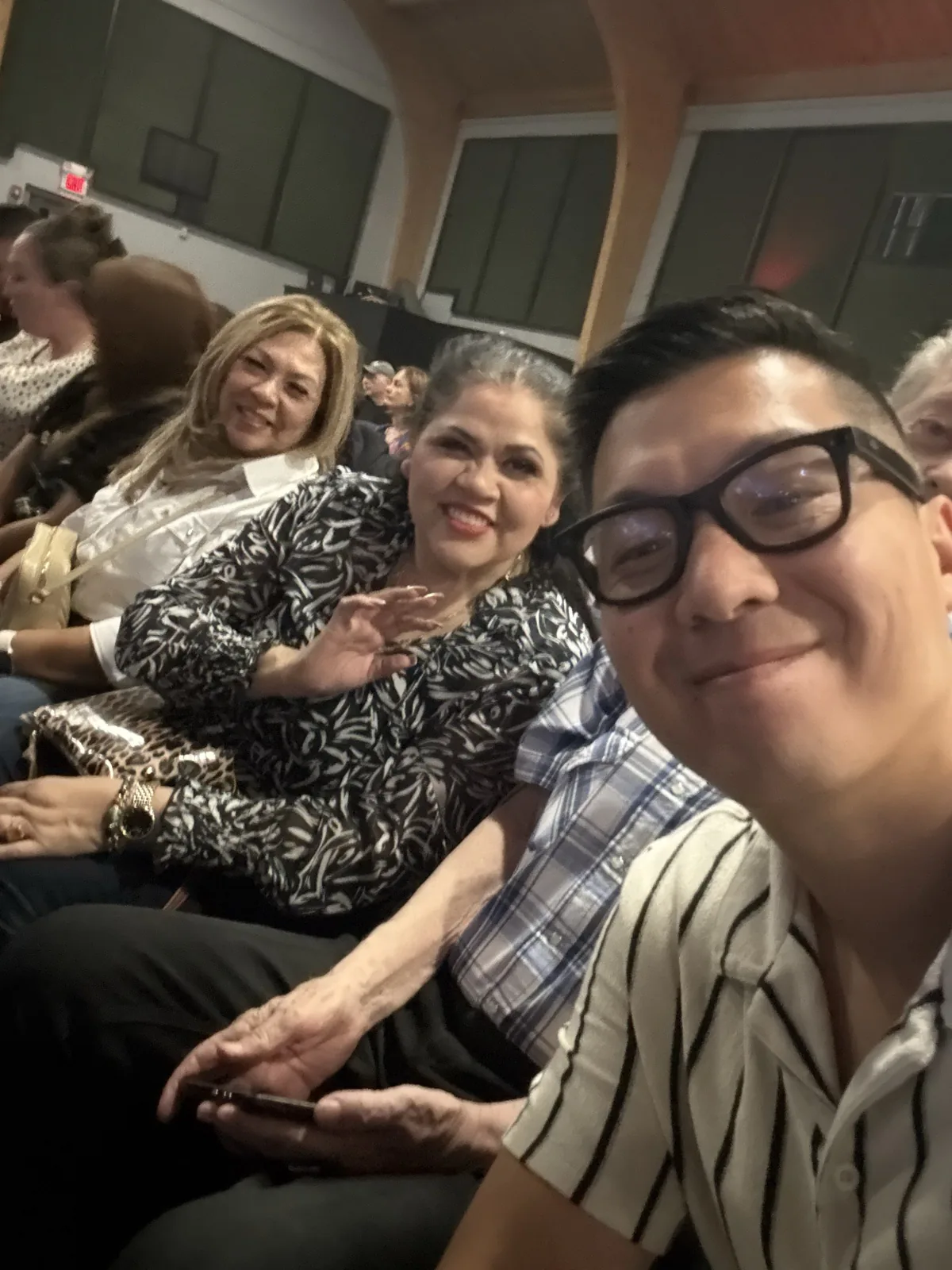
Ida at a service.
For years Ida counseled at-risk students inside the school system, often at a charter school that shared a building, and a history, with an active church. She played worship music at her desk. She answered thank-yous "in the name of Jesus." More than once, a secular school told her she didn't fit the culture. Her husband's response became the family motto: "Thank God you don't fit in. If you did, you'd be them."
So she stopped waiting for permission. She's stepped fully into the work she was made for, and given it a name. Ida V. Ministries.
It's the same thing she's done her whole life, done now on God's timing and under His authority. She counsels the people carrying more than they can hold. She exhorts them, and speaks life over who God says they are. She stands in the gap and intercedes. She goes wherever the assignment is, a day or thirty years, and she makes the heart fertile, so the next person God sends finds ground that's ready. It's virtual now, so distance isn't the problem.
She frames the whole thing simply. She's teaching people how to be human, and showing them that being a Christian is, in her words, amazing. She's convinced the world needs that now more than ever, because we live in two worlds at once, the physical one and the one on our screens, and a lot of people have quietly forgotten how to be a person in either.
A quarter century in, this is still the part of her life that lights her up the most. She'll tell you she's just answering.
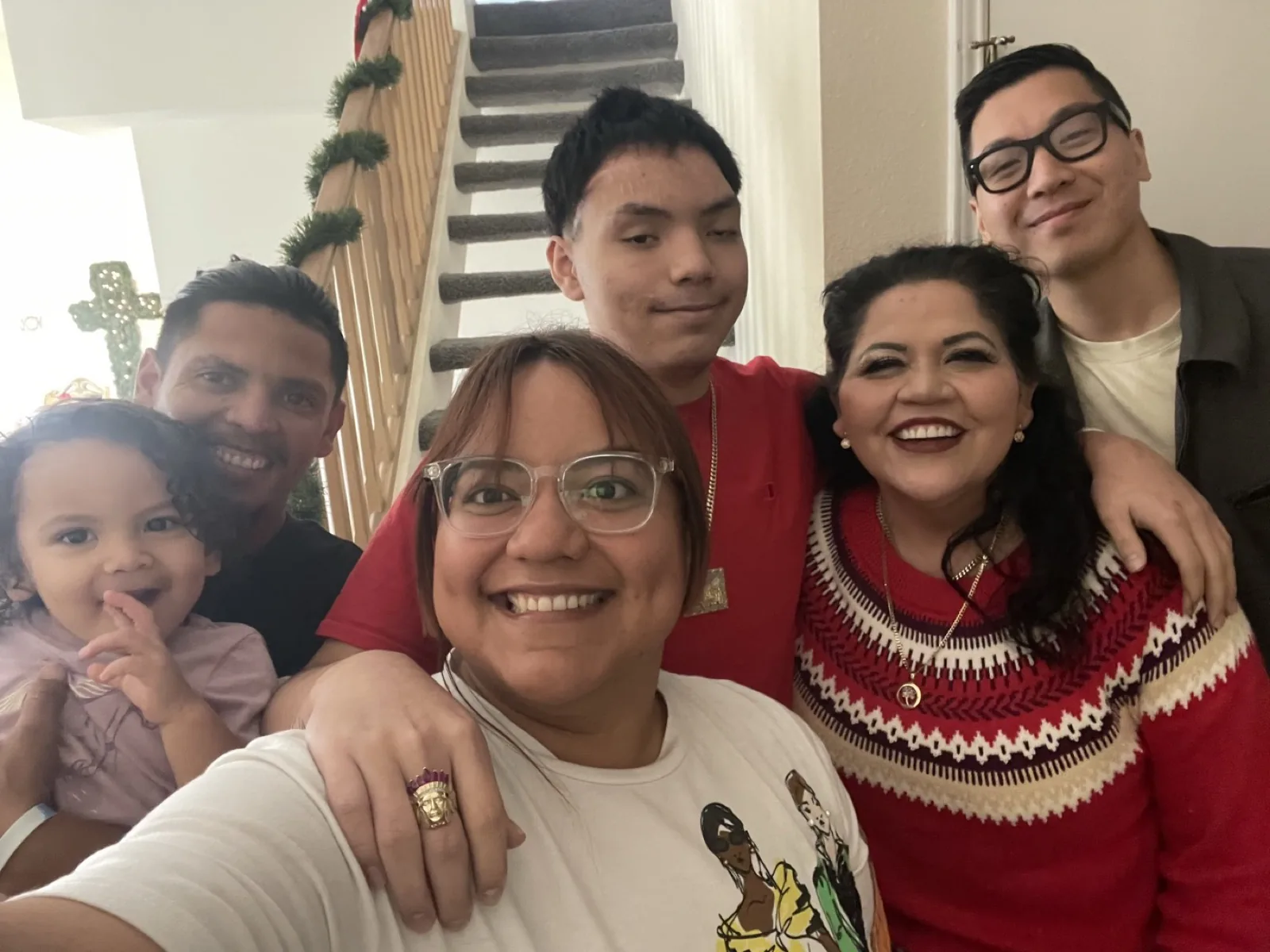
Kingdom family. The whole human beings she keeps building.
I'll step back, and let Ida say it in her own words.
I'm not gonna not be myself wherever I go.
When I go to HEB, I'm the church.
I roll up my sleeves and walk into hell, to bring a little light to people in complete darkness.
I make hearts fertile, so when the next person comes, the ground is ready.
I speak life. In the name of Jesus.
Carrying more than you can hold alone?
For prayer, counsel, or to stand with the ministry.
She speaks life.